


Technical Specifications
-

Chamber Diameter: 0.55 in / 14mm
Chamber Length: 5.5 in / 140mm
External Dims. (in): 5.67 x 2.5 x 3.2
External Dims. (cm): 14.4 x 5.2 x 80Weight: .55 lbs (250g) w/o power supply
Electrical: Input: 100-240V 50-60Hz; Output: 12v 10A

Frequently Asked Questions
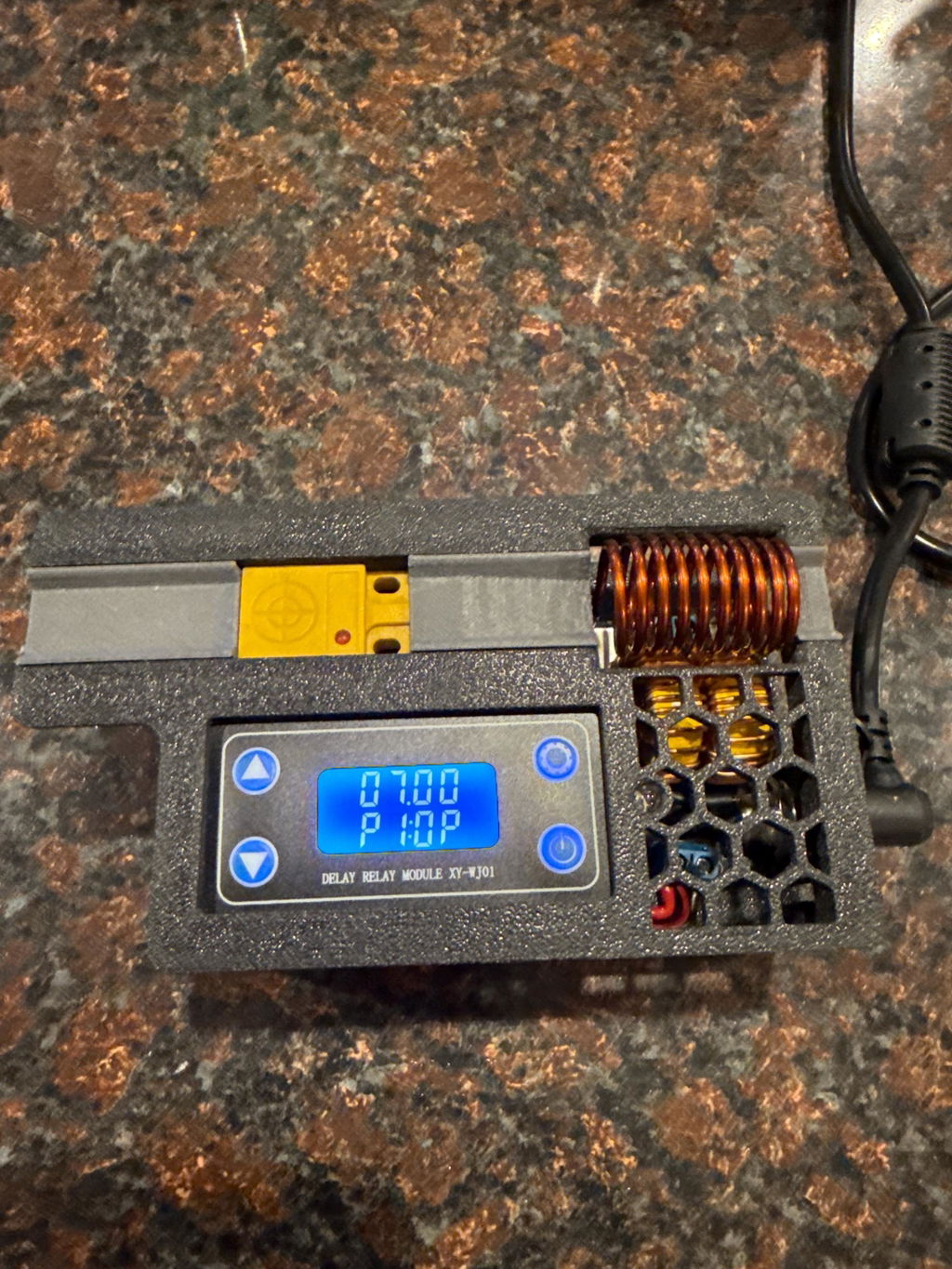
Customers praised this induction sterilizer for exceptional quality and efficiency. "Works great. Innovative," noted one customer. The device heats scalpels in 7.5 seconds with automatic operation. Reviewers highlighted the compact design, custom protective packaging, and adjustable timing. Fast shipping and responsive service.
- Wayyyyy higher quality than I expected. Efficient, compact, and a huge game changer!
- Easily my favorite piece of lab equipment! Very well made and easy to use!
- Simple to use, automatically heats it. Well made, small/tidy size. Buy one!
This is absolutely one of the best upgrades I've made to my equipment. No more alcohol and open flames! Shipping was fast and everything arrived extremely well packaged. Quality build that looks great and functions flawlessly. Thank you Mickey!
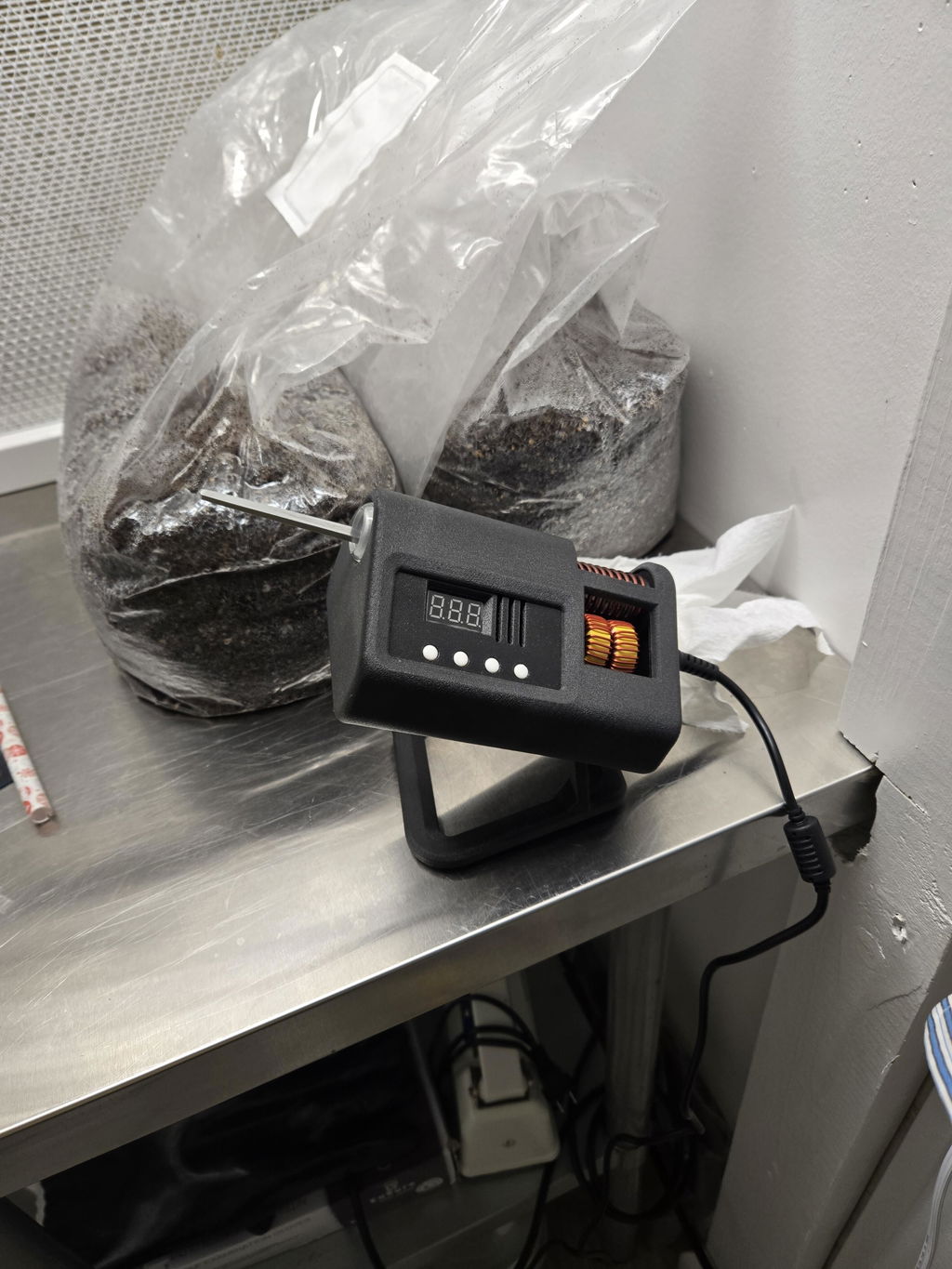
Shipped very quickly and packaging came in perfect condition. Love the custom 3d printed packaging that the sterilizer comes in. This beast is a game changer no more foot pedals, no holding buttons just slip your tool that you want sterilized into the hole on the sterilizer and let the magic happen. Also very high quality build looks very professional in your setup.
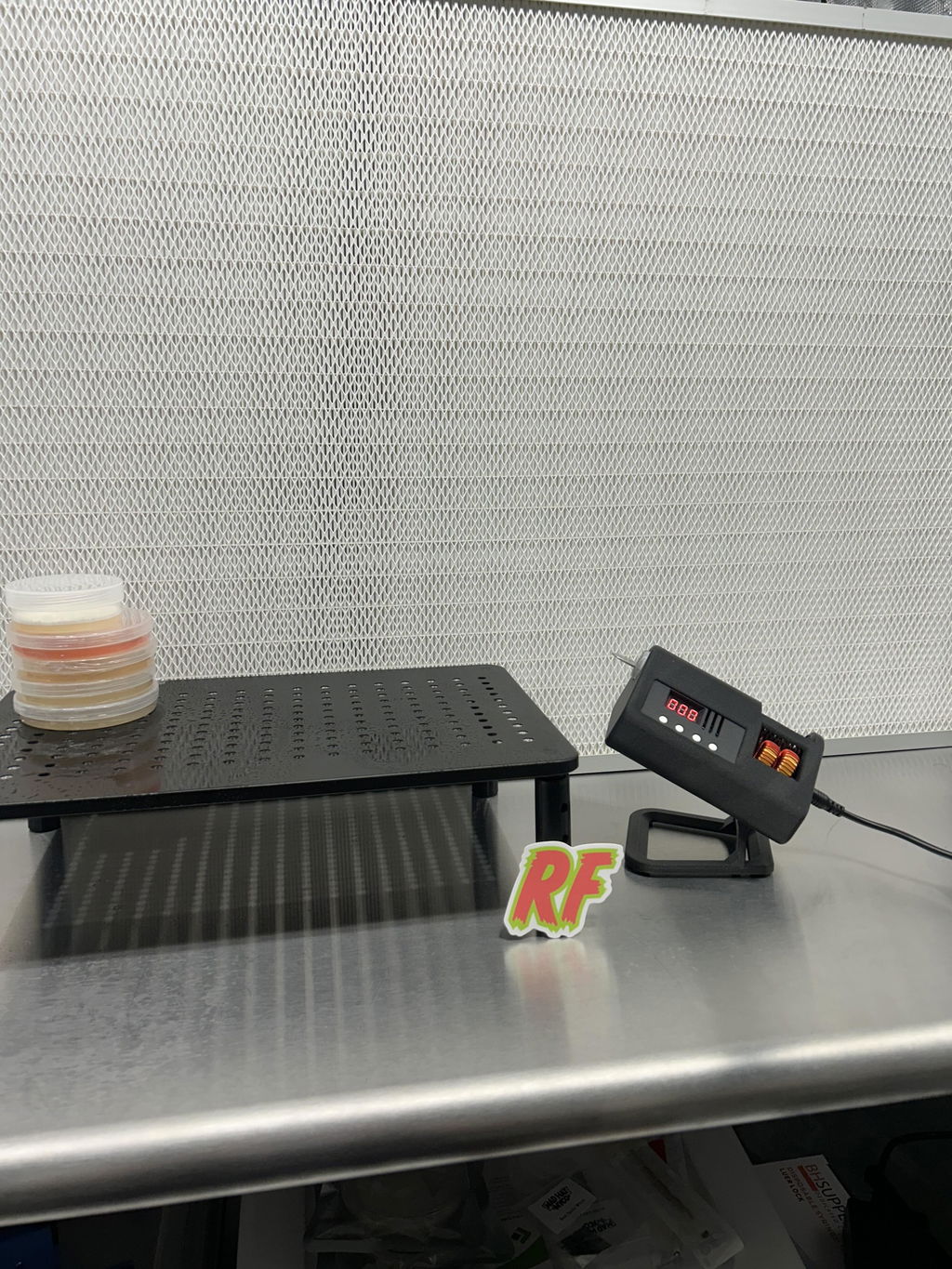
Before ordering, I made sure to ask all of the questions I had and Mikey was more than happy to answer any and all questions. My order was shipped quickly and arrived quickly even with the free shipping option.
Upon opening the box, the power supply was wrapped well in shipping paper with the instructions and a sticker. The flat top unit itself was enclosed in what looked like a custom 3D printed soft split shell to keep all of the components safe and secure! It’s rare to see that level of commitment these days.
The fit and finish of the unit is top notch and definitely better than a DIY option. Plugging in the power supply is no more difficult than plugging in a laptop charger. The unit powers on and is instantly ready to sterilize. It runs the 7.5 second cycle and heats up a scalpel blade almost instantly. It’s nice to have that speed and be able to leave the tool in the sterilizer until needed next.
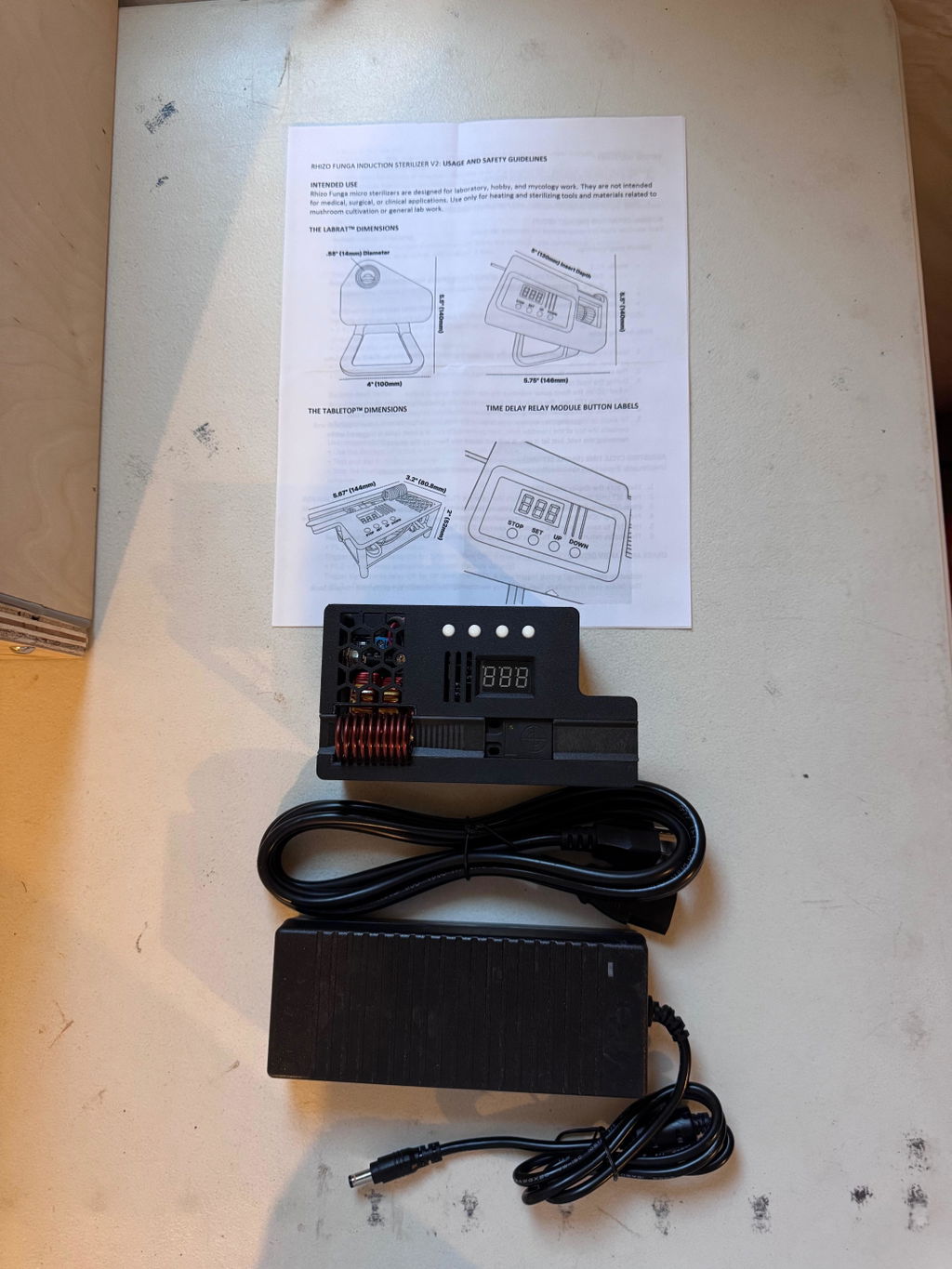
Oh, this thing just made the job so much easier instead of using a torch and leaving black residue on your plates and everywhere else. I’m glad I found this quality product.. nice work!!!
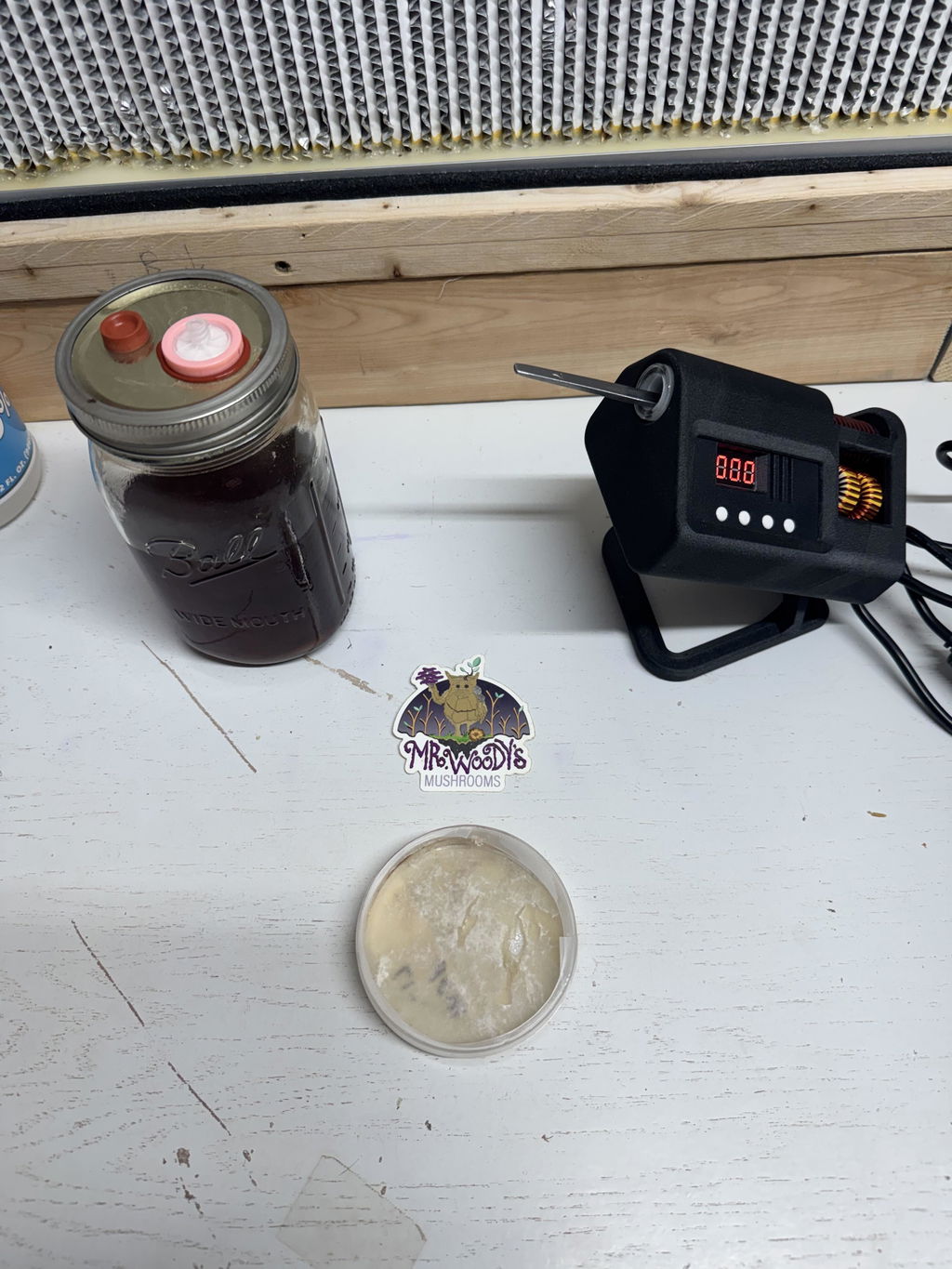
The order was shipped next day and arrived within a few days. Comes with very good simple instructions, and it works like a dream and I am very satisfied.
I was discouraged nya lot of the competition because of reviews that sounds like their best frineds were writing them. The videos Rhizo Funga produced were clear and showed the amount of attention and quality that goes into building their product that helped me make an informed decision. I am very happy with my purchase.
I liked the sellers videos. Makes it easy to see its hogh quality.
The Lab Rat is an excellent quality of life/convenience upgrade for the mycologist looking to improve their workflow when tucked into a still air box or flow hood for lengthy session of transfers.
I used to use a kitchen blowtorch and it required two hands and was time consuming and pretty damn dangerous; just watch some videos of people exploding their still air box because the alcohol vapor fumes trapped inside are highly combustible.
I'm happy with this purchase. It is well made and feels robust and made of quality components. I've never messed with anything 3D printed and the housing feels really nice and the buttons are pleasantly clicky.
Thanks for engineering this thing!
Works great. Innovative. Packaging is ingenious.
Wayyyyy higher quality than I expected from the photos. Efficient, compact, and a huge game changer to my workflows!
Seller was highly responsive, shipped fast and did an amazing job packaging the product in a TPU packaging custom for the device to keep it safe and protected.
Very well built and does a great job at sterilizing my tools
Great piece of equipment, comes packed well and has good instructions and customer support.
Love my new scalpel sterilizer! Simple to use,
Had a buggy device with a foot pedal, but this works perfect, just set the scalpel in the slot, it automatically heats it.
I’ve adjusted the run time longer, came preset at 7 seconds.
Well made, small/tidy size, looks good. Buy one!
This thing is great. Well designed to be effective and convenient. Had a question and Michael responded immediately… the whole experience has been stellar.
Easily my favorite piece of lab equipment! It seems very well made and I expect it to hold up long term! It’s easy to program and easier to use! Definitely recommend