Growing Conditions


Morchella Importuna
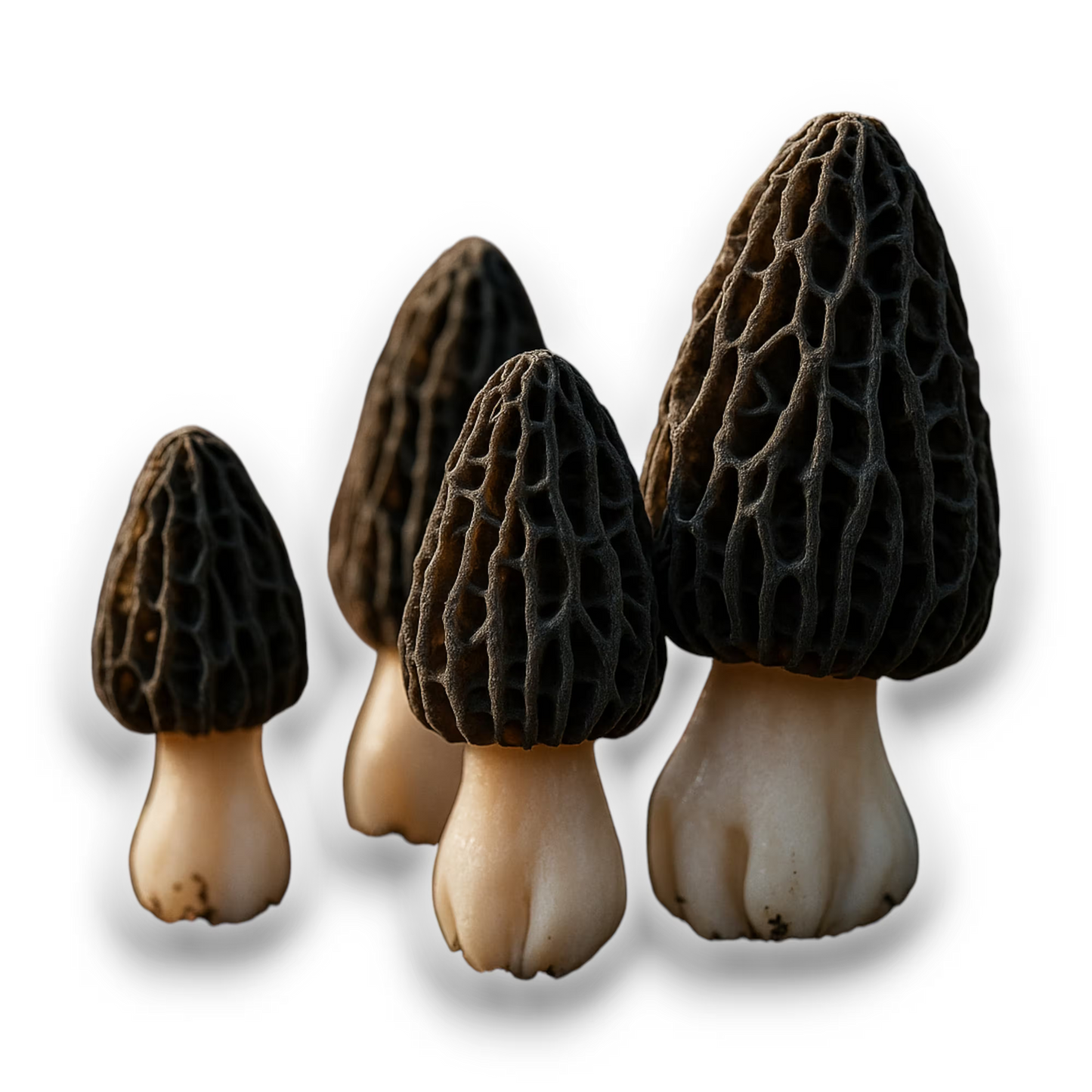
Morchella importuna is a black morel known for deep vertical pits and ridges that darken with maturity. It often shows up in wood chip beds and disturbed habitats.
Morels are prized for an earthy, nutty flavor and a meaty chew. They must be cooked before eating.
Best fit if you want a challenging, high reward species and you are willing to follow a more advanced process. Outdoor style beds and seasonal cues matter for many growers. Expect a longer timeline than oysters.
Morels are prized for an earthy, nutty flavor and a meaty chew. They must be cooked before eating.
Best fit if you want a challenging, high reward species and you are willing to follow a more advanced process. Outdoor style beds and seasonal cues matter for many growers. Expect a longer timeline than oysters.
- Culinary
- Hardwood chips (outdoor beds)
- Coco coir blend (CVG)
- Composted manure blend
- Outdoor - Experimental
Full or dappled daylight outdoors; Seasonal natural light; Do not use direct indoor LEDs as a substitute
- Pro
Compounds Identified in Morchella Importuna
Every strain carries its own chemical signature. These are the compounds found in this species — documented in the scientific literature for anyone who wants to dig deeper.
4 Active Compounds
-
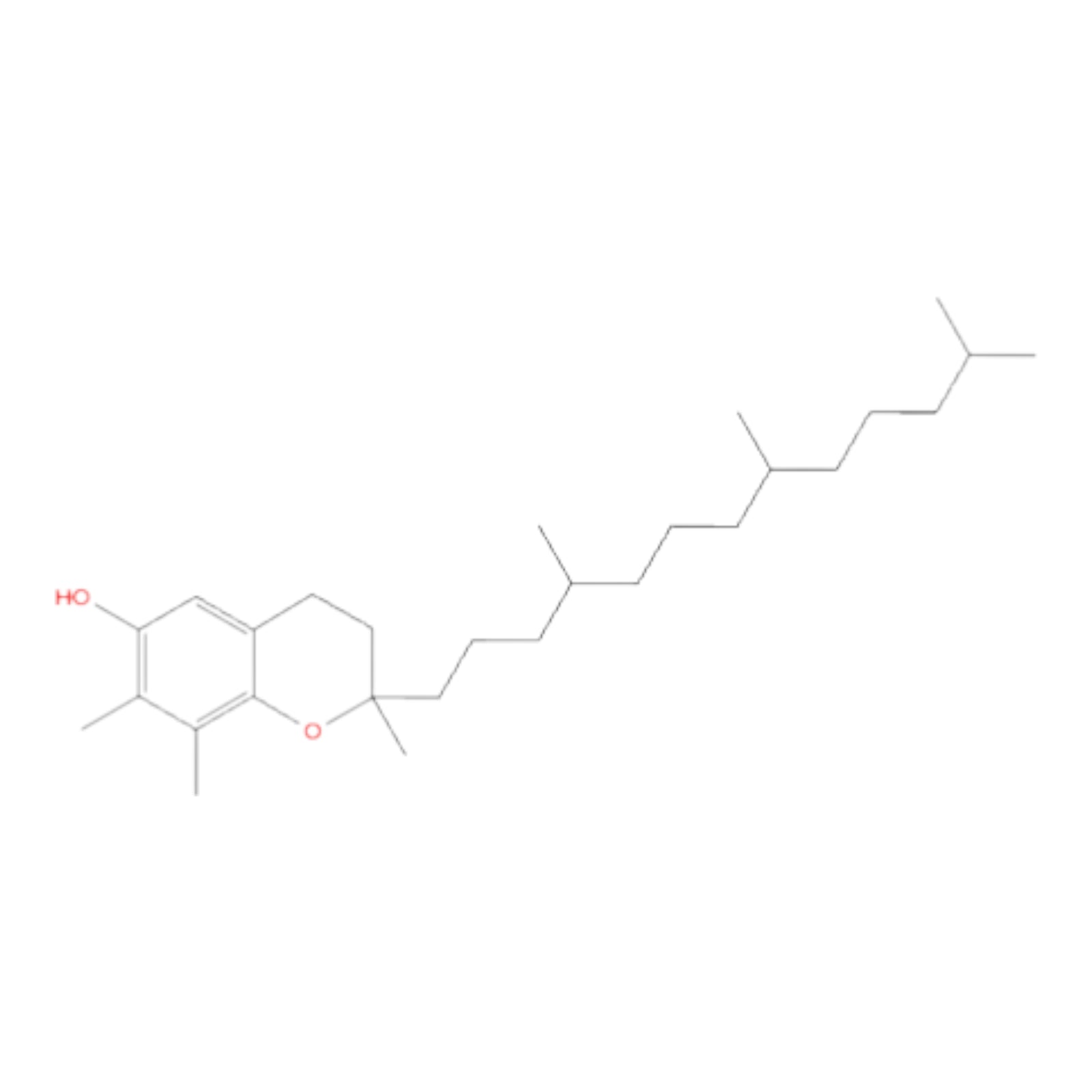
Tocopherols (vitamin E family)
Known Benefits
- Lipid soluble antioxidants that protect membranes and lipoproteins from lipid peroxidation. Widely described roles in oxidative stress control and inflammation modulation.
-

Phenolics and polyphenols
Known Benefits
- Antioxidant and anti inflammatory actions. Often linked to improved oxidative stress markers and to gut microbiome interactions that may influence metabolic and cardiovascular health.
-

Ergosterol
Known Benefits
- Provitamin D2 precursor in mushrooms. Converts to vitamin D2 with UV exposure. Also reported antioxidant and anti inflammatory activities in reviews.
-

Beta glucans and polysaccharides
Known Benefits
- Immune modulation via pattern recognition receptors including Dectin-1. Supports innate immune signaling and downstream adaptive responses. Often studied for immune resilience and inflammation balancing.


Frequently Asked Questions
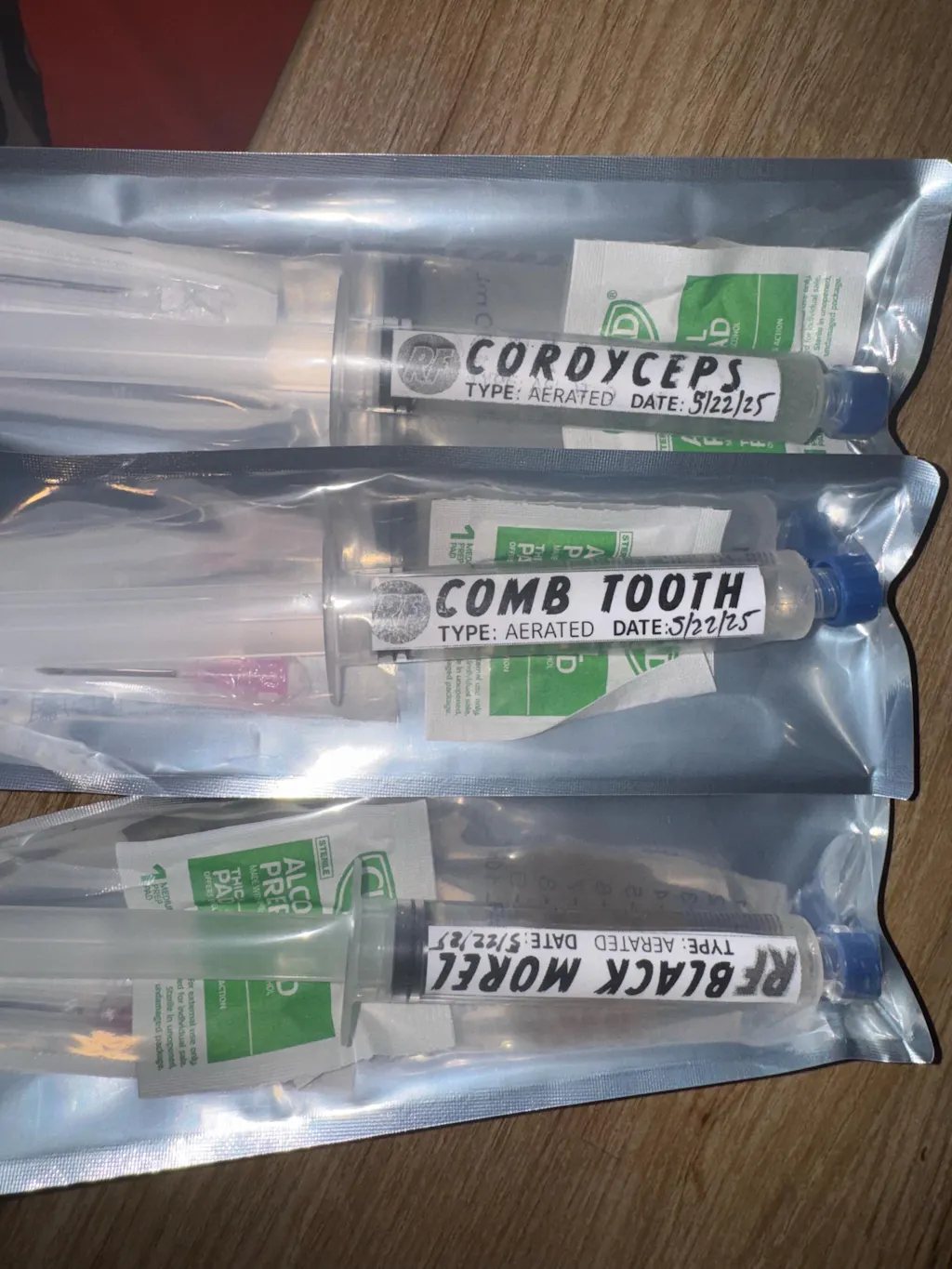
1 x 10ml Luer Lock Syringe filled with sterile mushroom liquid culture
1 x Luer lock cap (attached to syringe)
1 x Disposable 16g Luer Lock Needle
1 x Alcohol Prep Pad (70% Isopropyl Alcohol)
1 x Luer lock cap (attached to syringe)
1 x Disposable 16g Luer Lock Needle
1 x Alcohol Prep Pad (70% Isopropyl Alcohol)
Rhizo Funga strives to produce superior liquid cultures by isolating and testing genetics from robust, high-performing specimens. Our lab utilizes advanced genetic isolation techniques, and aerates all liquid cultures ensuring vigorous mycelial growth, resulting in faster colonization, higher yields, and greater fruiting consistency .
To maintain optimal performance and purity, always refrigerate your cultures upon arrival and practice strict aseptic techniques during handling and inoculation.We guarantee liquid culture syringes for 30 days after delivery. If you feel your syringe arrived contaminated or not as described, Contact us for a free replacement.
Liquid culture is made by sterilizing a nutrient solution—usually light malt extract or honey diluted in water—and inoculating it with a clean mycelium sample. The culture is then incubated and gently stirred or aerated until the mycelium fully colonizes the liquid, creating a nutrient-rich starter ready to inoculate grain or substrate.
Simply inject 1–2 mL of liquid culture into a sterilized grain bag or jar through the injection port, or onto an agar plate. Shake the bag lightly once mycelium becomes visible (around 20–30 % colonized) to distribute growth evenly.
A spore syringe contains un-germinated spores—essentially the genetic lottery of a mushroom species. A liquid culture, on the other hand, contains live, actively growing mycelium that’s already been isolated for vigor and purity. That means faster, more reliable colonization.
If you’re using a magnetic stir plate or aerated setup, once or twice per day is plenty to keep the mycelium suspended and oxygenated. Hand-swirl jars gently every day or two to prevent the mycelium from forming dense clumps.
Only if it’s filtered or distilled first. Tap water can contain chlorine, minerals, or microbial contaminants that inhibit growth. Clean, low-mineral water gives the most consistent results and prevents cloudy contamination.