


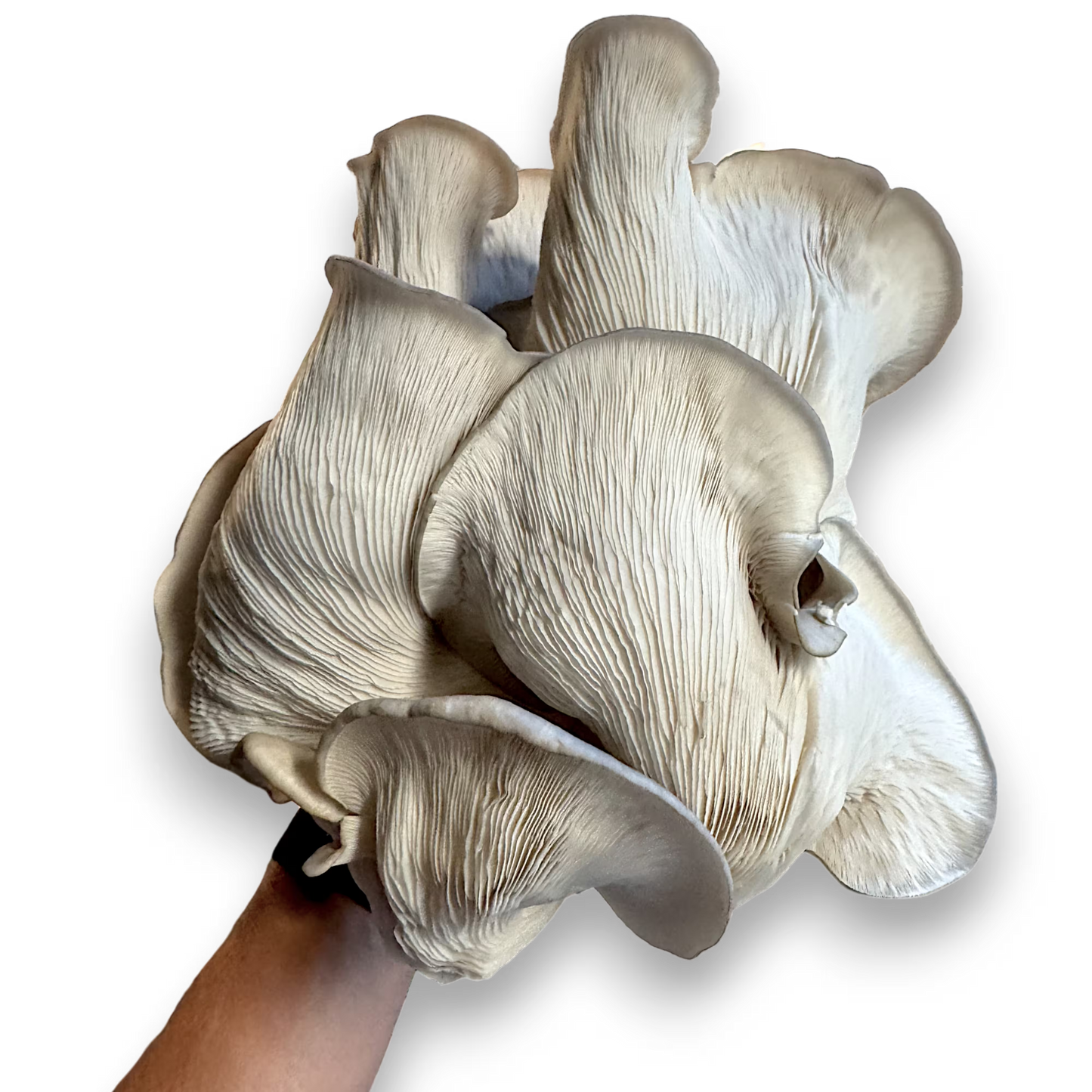
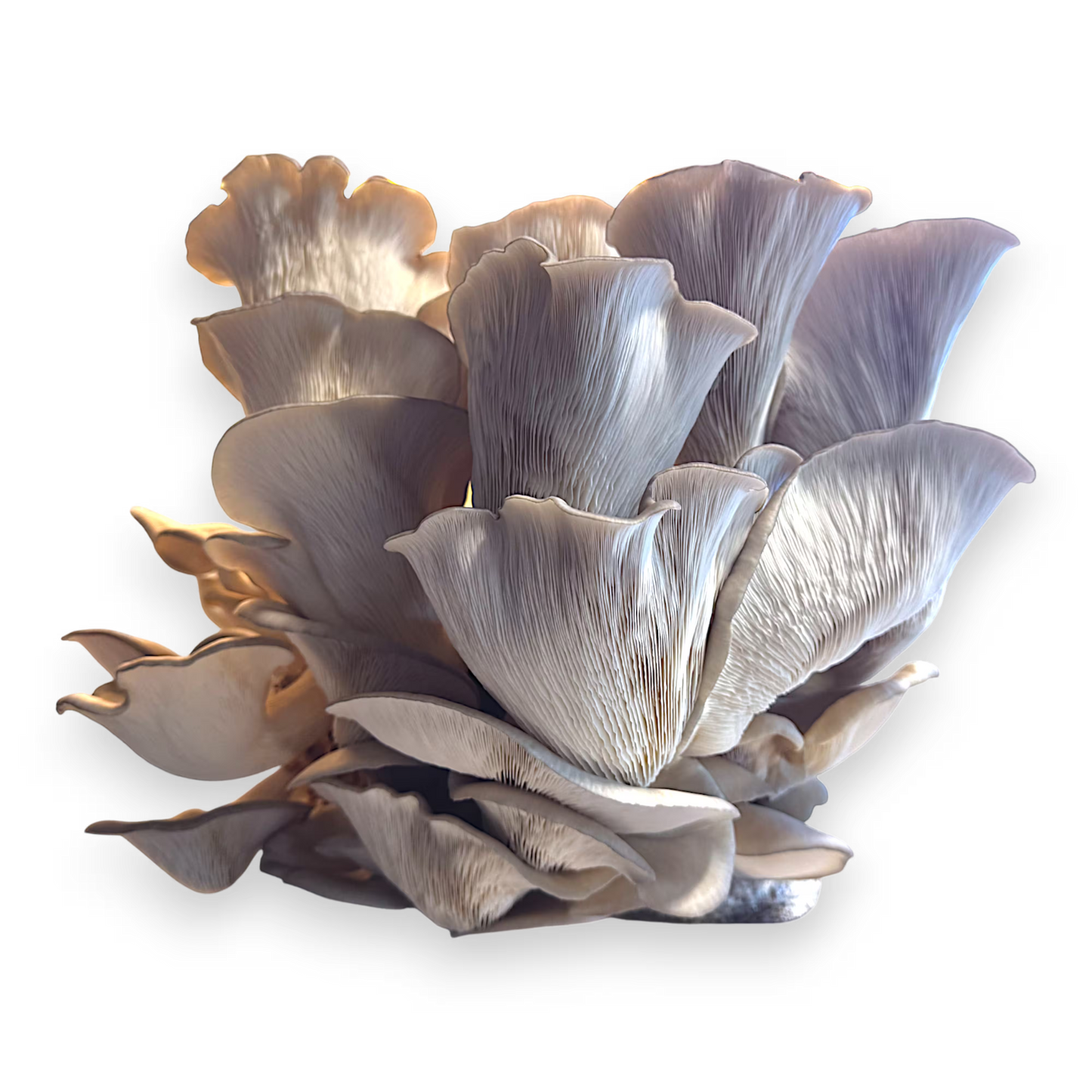

About Our Grain Spawn
Built on the same Unicorn 4T-INJ bag platform as our sterilized grain, this spawn is inoculated to order with low-passage, agar-verified culture for clean, vigorous growth. Because it’s freshly inoculated, the bag will arrive partially colonized—or colonization may become visible within a few days, depending on species and shipping conditions. Hydration and gas exchange are tuned for fast, even colonization.
Grow Guide


Pleurotus Cornucopiae
- Culinary
- Hardwood & soy hulls (Master's mix)
- Hardwood supplemented w/ soy
- Hardwood pellets or sawdust
- Straw
- Indoor
- Outdoor
- Side-Fruiting
6500K or daylight spectrum; 12 hours on, 12 hours off; Indirect light is fine
- Beginner
Compounds Identified in Pleurotus Cornucopiae
Every strain carries its own chemical signature. These are the compounds found in this species — documented in the scientific literature for anyone who wants to dig deeper.
5 Active Compounds
-

Beta glucans and polysaccharides
Known Benefits
- Immune modulation via pattern recognition receptors including Dectin-1. Supports innate immune signaling and downstream adaptive responses. Often studied for immune resilience and inflammation balancing.
-
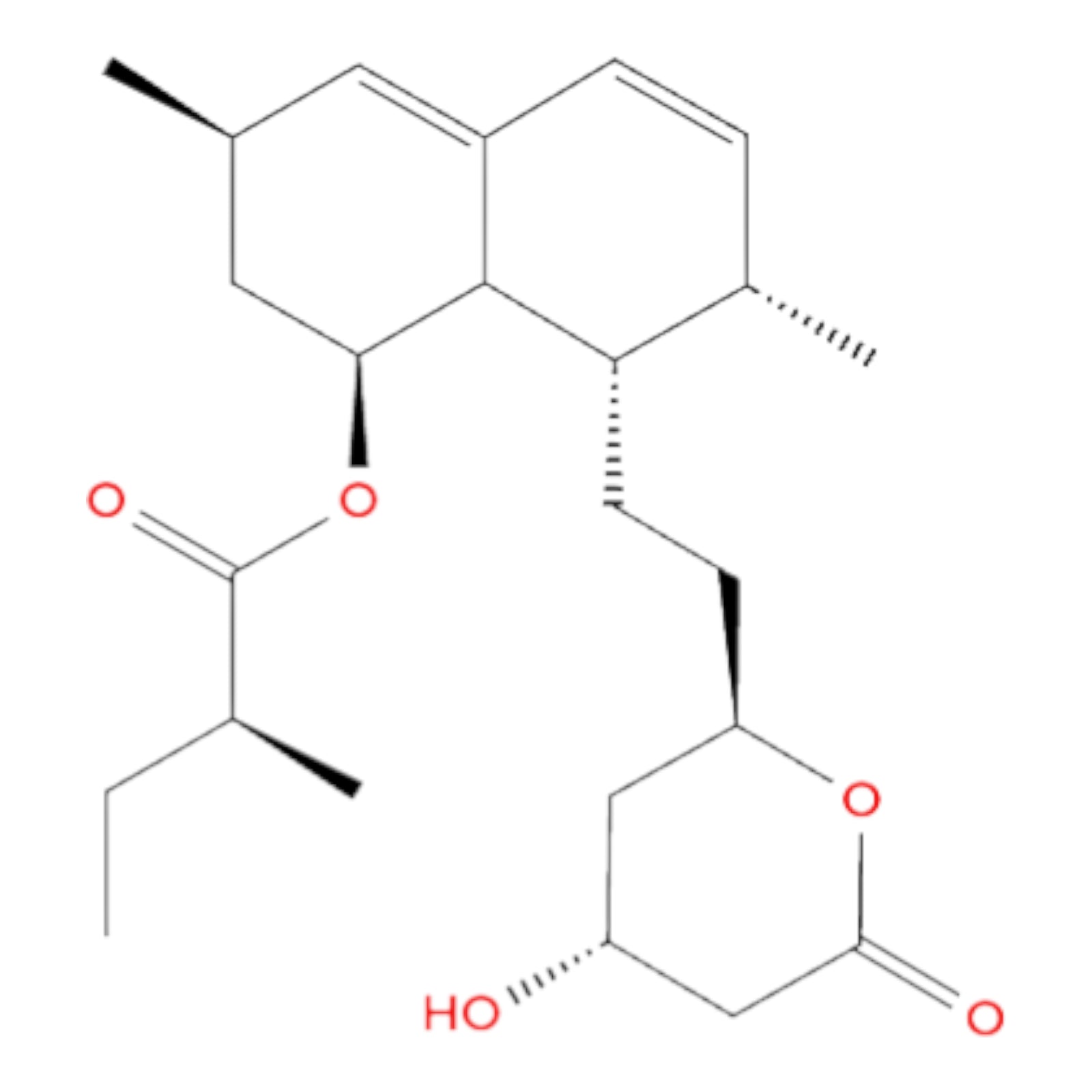
Lovastatin (mevinolin)
Known Benefits
- Inhibits HMG CoA reductase, the same cholesterol synthesis pathway targeted by statin drugs. In food context it is discussed for lipid lowering potential, though amounts vary by species, strain, and substrate.
-

Phenolics and polyphenols
Known Benefits
- Antioxidant and anti inflammatory actions. Often linked to improved oxidative stress markers and to gut microbiome interactions that may influence metabolic and cardiovascular health.
-

Ergothioneine
Known Benefits
- Potent dietary antioxidant and cytoprotectant. Taken up by a dedicated transporter (OCTN1) and concentrated in some tissues. Studied for reducing oxidative stress and inflammation related damage.
-

Ergosterol
Known Benefits
- Provitamin D2 precursor in mushrooms. Converts to vitamin D2 with UV exposure. Also reported antioxidant and anti inflammatory activities in reviews.


Frequently Asked Questions
While other methods may work, we prioritize quality and consistency. We utilize a thorough clean, soak, heat, and strain method that fully prepares the grain before sterilization. This additional effort results in a more consistent, high-quality grain that optimizes mycelium colonization and ensures stronger, healthier growth.
We only use the industry standard Unicorn Bags. 3 pound bags use 4T-INJ Bags and the 5 pound bags use a 3T. Both Include a 0.2-micron filter patch for controlled airflow and a secure injection port, facilitating easy inoculation with liquid cultures or spore syringes.
Colonization rates upon receipt will vary based on variety, transit time and temperature. Grains are Inoculated to order, so in most cases you will see visible mycelial growth upon receipt, but it's possible this will not occur until a couple days after. This depends on species and temperatures the grain spawn is exposed to during transit.
Keep in a cool, dark place during and after colonization. Once the bag reaches ~25% colonization, perform a gentle break and shake to redistribute mycelium and speed completion. Avoid opening until fully colonized and ready to expand into your substrate.